
 “Excello Law stands firmly upon our values of excellence and integrity. Our commitment to excellence means we recruit only the best people.”
 “It’s the best decision I’ve ever made. I only wish I had done it sooner”
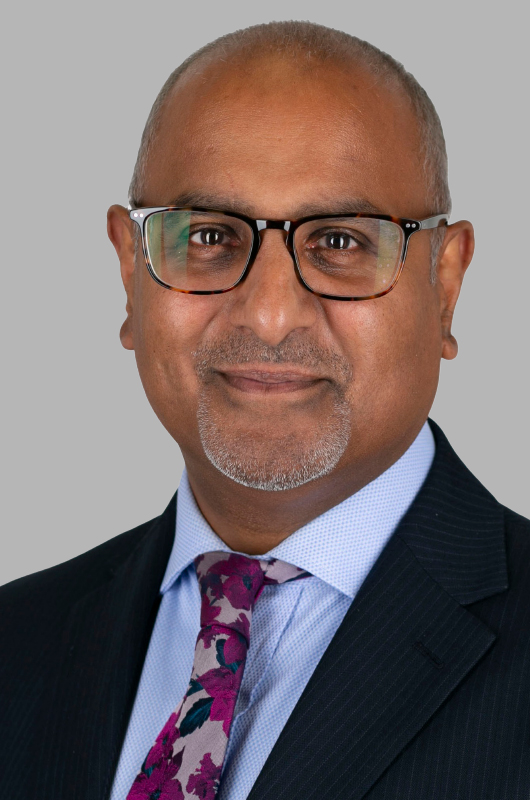 “Excello Law understood my needs and aspirations: they gave me the freedom to build my practice my way.”
The Rise of the Distributed Law Firm
Last week, Reuters reported that lawyers at a growing number of large US firms will be spending more time in the office by next year, as flexible attendance policies sparked by the pandemic continue to fade.
Cooley, Goodwin Procter, and Dechert each announced that at least some of their lawyers must come into the office a minimum of four days per week beginning early next year, joining a long list of firms that have adopted similar policies since 2023, including WilmerHale, Paul Weiss, and Davis Polk.
Across the US and in global legal centers like London, the message from the traditional elite is clear… commitment, collaboration, and culture are tied to physical attendance. But is this really the best way to serve lawyers, clients, and the firms themselves?
The distributed law firm
Firms like Excello Law are built on a radically different philosophy. Lawyers have the trust, autonomy, and flexibility to manage their own practice while still benefiting from the resources and infrastructure of a full-service firm. In this model, the office is an asset rather than an obligation. Lawyers choose how often they collaborate in person, when to work remotely, and how to structure their day to best serve their clients. Everybody’s focus is on results and delivering excellent service rather than routines.
This approach does not sacrifice collaboration or client service. Some lawyers flourish in the office environment, thriving on teamwork and mentorship. Others deliver more value by engaging directly with clients in their own industries, working to understand their needs on the ground, and providing tailored solutions. Many clients now want lawyers to visit them in person, something this model actively enables, as lawyers can spend more time with clients and less tied to a fixed office routine. Distributed firms recognize that one size does not fit all, and they trust their lawyers to find the balance that works for them.
Flexibility is no longer optional
Office mandates have become central to talent retention. The 2025 TotallyLegal Salary Survey shows that 73% of legal professionals now view a return-to-office requirement as a dealbreaker, up from 56% in 2024. This reflects not just the normalization of remote work, but a fundamental shift in how lawyers view work-life balance, productivity, and job satisfaction. Many are willing to change roles or join more progressive firms if their need for flexibility is not met.
Younger lawyers are driving this shift. A striking 74% of Millennials and 76% of Gen Z lawyers consider flexibility a make-or-break factor in their employment. For female respondents across generations, it’s 76% (compared to 69% of males). Lawyers of all ages and backgrounds see flexible arrangements as playing a critical role when balancing professional and personal responsibilities.
Flexibility is no longer a perk, but a core expectation. How firms dictate their lawyers on where to work influences engagement, well-being, and long-term retention. Firms that cling to rigid office models risk losing top talent, while those embracing hybrid or distributed approaches are better positioned to attract and empower high-performing legal professionals.
The evolution of the US legal industry
The legal industry is evolving, yet some firms seem determined to cling to the past. Assumptions that productivity and loyalty are tied to hours spent physically in the office are increasingly outdated. Distributed law firms show a different path where lawyer autonomy, professional support, and client-focused service coexist seamlessly. This is a model built on trust rather than rigid schedules, and it is delivering results.
As law firms debate the new normal, perhaps it is time to rethink what truly matters. The office may still have its place, but it does not need to be a prerequisite for success.